The Sister Wound Why Women Compete and How Healed Women Rise Together
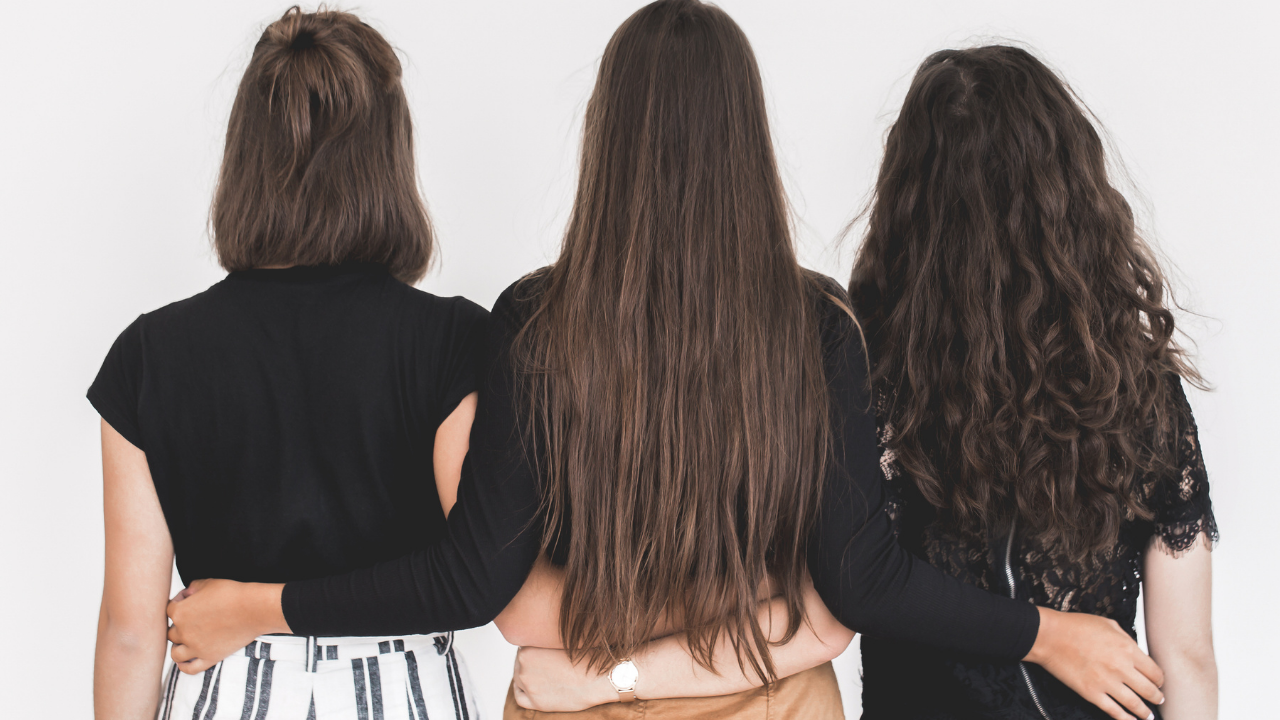
Comparison, competition and rivalry between women have deeper roots than we often acknowledge. Marisa Sim explores the sister wound — and what changes when women stop seeing one another as the threat.
By Marisa Sim.
I recently held a Mother Wound mini-retreat, and weeks before that, I asked for sponsors for the goodie bag on my Instagram Stories. A lady I met briefly at a ladies' meet-up months ago said she would like to support me and the event. I also asked another lady, whom I had only met once, to sponsor her non-alcoholic aperitif for our event, and she said yes.
These are women I have had only a brief encounter with, yet they are so generous and supportive. This is what touched me, and I realised that they are so strong and authentic in their being that they believe supporting another woman does not take the light off them, but instead radiates their light forward.
If you have problems trusting other women, perhaps you had an unpleasant experience with your mother, so you find it hard to be supportive of other women, or you get jealous when they are doing so well. An insecure person will feel envious because they are not powerful in their own being and therefore see other women doing well as a threat.
Once, a friend came to visit me in Switzerland. She took a tour of my apartment and followed me into my room while I was getting changed for a party we were supposed to go to. She saw her walk-in wardrobe and immediately said, “Life is so unfair.” I was shocked, and I replied, “You made choices in life, and I made choices in life.” You see, I realised at that moment that she was victimising herself.
She was unhappy with her life but blamed it for not giving her what she wanted. Needless to say, after that incident, I don’t consider her my friend any more. This is someone who looks at all your posts and stories and never likes or comments on them. She observes you but never supports you. A true friend is happy for you; they want the best for you.
To be honest, in my 20s, I was not an authentic friend. I wanted people to like me and validate me. There was also a lot of jealousy because I was insecure. In my 30s, my circle of friends shrank, mostly because I became a mother, and I don’t have time for bullshit friends, but still, I was a people-pleaser until I healed my mother wound. Now in my 40s, I only have a handful of friends. Everyone else is an acquaintance.
Truly powerful women are not afraid of your light shining because when one of us shines, it gives others the permission to shine too. But if you have the sister wound, you will feel envy and jealousy, and you will become the mean girl in high school all over again.
What Is the Sister Wound?
The sister wound refers to the emotional pain, mistrust, or disconnection a woman experiences in relationships with other women, especially peers (friends, sisters, colleagues, community).
The sister wound is:
- A pattern of competition, comparison, jealousy, or distrust between women
- A fear of being judged, excluded, or betrayed by other women
- Difficulty forming safe, supportive female relationships
- A tendency to either withdraw from women or feel triggered in female spaces
It often shows up as:
- “I don’t trust women—they always hurt me.”
- Feeling intimidated or threatened by other women’s success
- Struggling with belonging in female groups
The sister wound is deeply connected to the mother wound, in many cases, it grows out of it.
Here’s how:
1. Your first experience of “woman” is your mother
Your mother is your earliest blueprint for:
- What it means to be a woman
- Whether women feel safe or unsafe
- How love, approval, and attention are given
If your mother were:
- Critical, jealous, emotionally unavailable, or competitive
- Unable to celebrate or fully see you
You may unconsciously expect other women to treat you the same way.
2. Internalised competition and scarcity
If love from your mother felt conditional or limited, you may have learned:
- “There’s not enough love/attention to go around”
- “I have to compete to be chosen”
This creates:
- Comparison with other women
- Difficulty celebrating others without feeling “less than”
3. Projection and re-enactment
Unhealed mother wounds often get projected onto other women:
- Authority figures → seen as controlling or critical (like mother)
- Female friends → feared as abandoning or rejecting.
This leads to repeating the same emotional patterns, just with different women.
4. Loss of sisterhood and belonging
At its core, both wounds disconnect you from:
- Nurturing (mother wound)
- Belonging (sister wound)
So instead of experiencing women as safe and supportive, they feel:
- Threatening
- Unpredictable
- Emotionally unsafe. The sister wound is deeply connected to the mother wound, in many cases, it grows out of it.
The truth is, the sister wound is not just about other women. It’s about you.
It’s about how safe you feel in your own femininity. It’s about how worthy you feel of being seen, celebrated, and supported. It’s about whether you believe there is enough love, success, and belonging for you too.
Because when you are rooted in your worth, another woman’s light doesn’t threaten you, it inspires you. Her success doesn’t diminish you, it expands what feels possible for you and when you begin to heal your mother wound, something powerful happens.
You stop competing.
You stop comparing.
You stop shrinking or hardening.
Instead, you soften, open and begin to experience women not as threats, but as mirrors, allies, and sisters.
This is the kind of woman I saw in those who supported my retreat and this is the kind of woman you get to become.
But this work doesn’t happen by just “thinking positively” or telling yourself to be more supportive. It requires you to go deeper, to unravel the patterns, beliefs, and emotional imprints that shaped how you relate to yourself and other women.
If you recognise yourself in this article, if you see the patterns of jealousy, comparison, mistrust, or even loneliness in your relationships with women, know that there is nothing wrong with you.
There is simply something within you that is ready to be healed and you don’t have to do it alone.
If you’re ready to rebuild your self-worth, feel authentic in who you are, and create deeply supportive, aligned relationships with other women, I invite you to work with me.
Marisa Sim is a trauma-informed coach. As a childhood trauma survivor, she understands first-hand how trauma affects our mental health and well-being. Now she supports women to heal from their childhood trauma and step into their power.
You can find out more about Marisa and her work at: https://www.marisasim.com/
Want more like this?
Join The Biz Love Letter for practical business insight, founder stories and visibility opportunities every Monday — plus every new issue of The Female CEO Magazine delivered free to your inbox.
Useful stuff only. No spam, ever.