The Best Office Design Ideas for Small and Large Workspaces in 2026
By Nick Norton
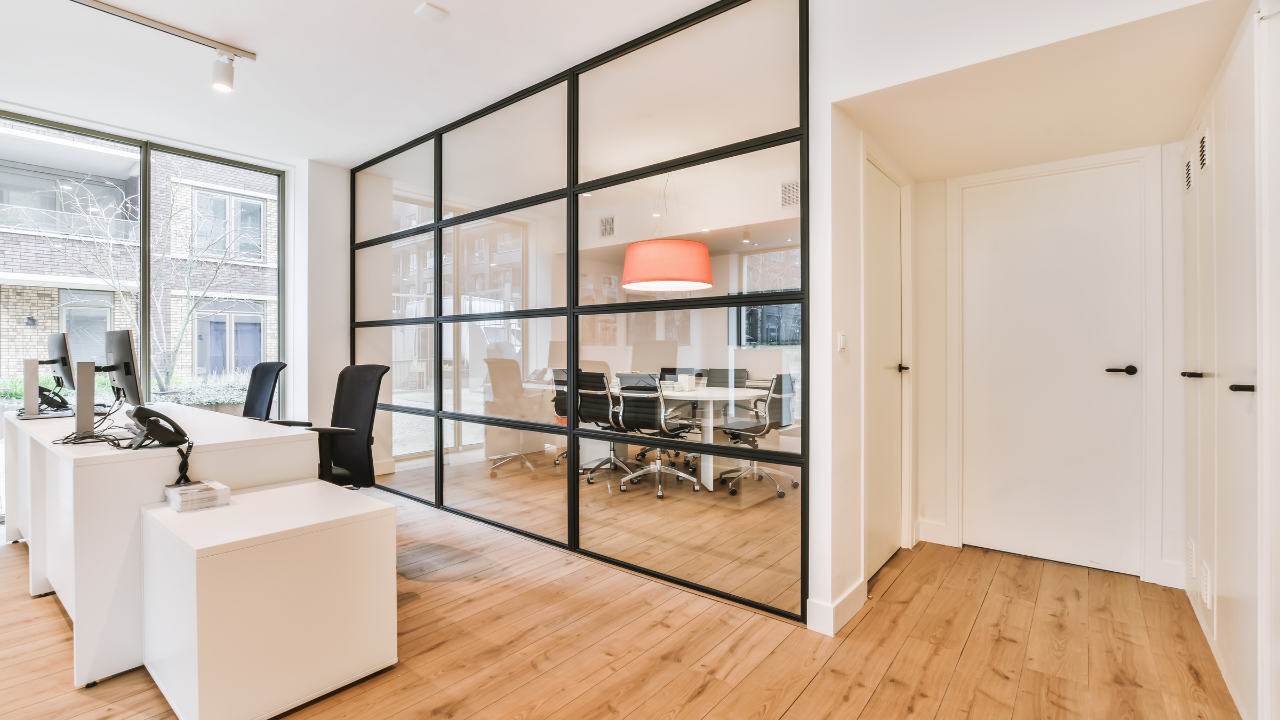
The definition of the "office" has undergone a radical transformation over the last few years. As we move through 2026, the focus has shifted away from mere aesthetics and toward human-centric functionality. Whether you are operating out of a cozy home nook or managing a sprawling corporate floor, the goal remains the same: creating an environment that fosters deep focus while maintaining physical well-being.
In this guide, we’ll explore the top office design trends of 2026, tailored for both compact setups and expansive professional environments.
Maximizing the Miniature: Design Ideas for Small Workspaces
Small offices face the unique challenge of balancing storage with "breathing room." In 2026, the trend is moving away from cluttered desks toward minimalist modularity.
1. Vertical Thinking and Floating Furniture
When floor space is at a premium, look up. Wall-mounted desks and floating shelves are essential for keeping the floor clear, which visually expands a room. By utilizing vertical space, you can house your library and tech peripherals without encroaching on your physical movement zone.
2. Multi-Functional Customization
Generic furniture often leaves "dead zones" in small rooms—those awkward few inches between a desk and a wall. The most successful small offices in 2026 utilize bespoke solutions. Many DIY enthusiasts and professional designers are turning to MDF sheets cut to size to create custom corner desks or tailored shelving units that fit perfectly into unique architectural nooks. This ensures every square inch of the room serves a specific purpose.
3. Integrated "Tech-Hiding"
Wires are the enemy of small spaces. The latest small-office designs prioritize furniture with built-in cable management and wireless charging surfaces. A clean visual field reduces cognitive load, making a small room feel like a sanctuary rather than a cage.
Scaling Innovation: Design Ideas for Large Workspaces
Large offices in 2026 are no longer just rows of cubicles or "open-plan" echoes. They are being reimagined as Neighborhood-Based Environments, where different zones cater to different types of work.
1. Acoustic Zoning and "Deep Work" Pods
The biggest complaint about large offices has always been noise. Modern design solves this with acoustic zoning. Using sound-absorbing fabrics, living moss walls, and felt partitions, large offices are now divided into "Active Zones" for collaboration and "Quiet Zones" for concentrated tasks. Soundproof pods are a 2026 staple, providing employees with a private bubble for video calls or intense focus.
2. Biophilic Integration
We have moved past the "potted plant on a desk" phase. Large-scale office design now integrates nature into the infrastructure. This includes:
- Circadian lighting systems that mimic natural sunlight patterns.
- Indoor water features to provide natural white noise.
- Internal courtyards that allow employees to transition between indoor and outdoor environments without leaving the building.
3. Hospitality-Inspired Social Hubs
To compete with the comfort of working from home, large offices are taking cues from boutique hotels. High-end coffee bars, lounge seating with ergonomic support, and "de-stress" zones equipped with VR meditation tools help make the office a destination rather than a requirement.
Universal Trends: What Every Office Needs in 2026
Regardless of your square footage, certain trends are non-negotiable for a modern, productive workspace.
Sustainable Material Choices
Eco-consciousness is no longer an "extra"; it’s the standard. In 2026, we see a massive rise in the use of recycled polymers, reclaimed wood, and low-VOC (Volatile Organic Compound) finishes. Using sustainable materials isn't just good for the planet—it improves indoor air quality, which directly impacts employee health and alertness.
Ergonomics 2.0
We’ve moved beyond the standing desk. The new standard involves dynamic movement. This includes chairs that support "active sitting" and monitor arms that adjust effortlessly for different heights and focal lengths. The goal is to ensure that the body never remains in a static position for more than an hour.
The "Resimercial" Aesthetic
The line between residential and commercial design continues to blur. Even in large corporate headquarters, you’ll find soft textures, warm color palettes (like terracotta, sage, and deep navy), and ambient lighting. This "resimercial" approach acknowledges that people work best when they feel comfortable and safe.
Conclusion: Designing for the Future
The best office design for 2026 is one that adapts to the user, not the other way around. For small spaces, success lies in precision and customization, ensuring that every element—from the lighting to the custom-fitted shelving—is optimized for the footprint. For large spaces, success is found in variety and agility, providing workers with the autonomy to choose the environment that best suits their current task.
By combining sustainable materials, smart technology, and a touch of personal comfort, you can create a workspace that doesn't just look like the future—it functions like it, too.
Nick Norton is a writer with a passion for exploring a wide range of subjects, from home design and lifestyle to culture, travel, and everything in between.
At The Female CEO, we believe in the power of shared knowledge and experience. If you have insights, expertise, or an inspiring story to tell, we’d love to feature you! Whether you're a seasoned entrepreneur, a budding business owner, or someone with wisdom to share, this is your space to shine.
📩 Get in touch to contribute and join our incredible network of female founders and change-makers.