
Revolutionising Education with Neurolanguage Coaching - 7 Strategies for the Future of Learning
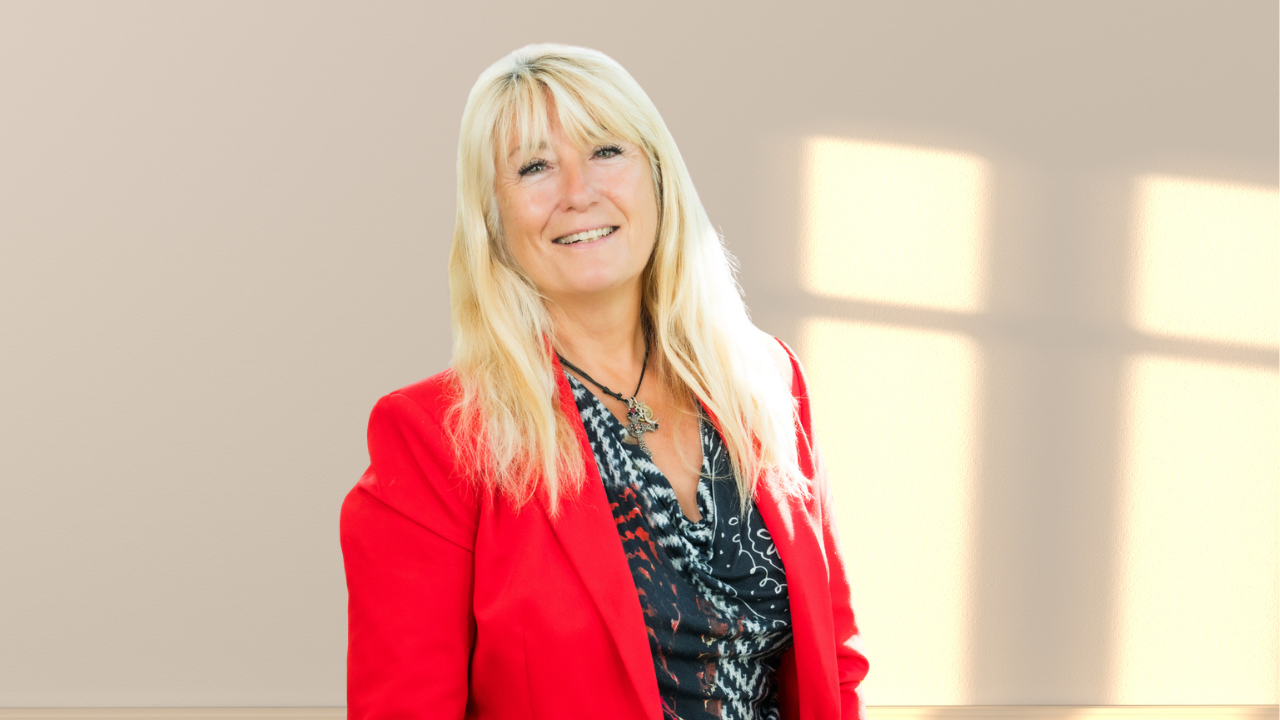
By Mark Sephton.
Education is at a crossroads. The rapid shift to remote learning during the pandemic exposed deep cracks in traditional teaching systems, leaving many students struggling with motivation, focus, and emotional well-being. At the same time, teachers across the world are experiencing unprecedented levels of stress and burnout.
But according to pioneering educator and entrepreneur Rachel Paling, the solution is not simply better technology or new curricula; it is a fundamentally different way of understanding how people learn.
As the creator of Neurolanguage Coaching®, Rachel has spent years blending neuroscience, coaching, and communication to transform how teachers connect with learners. Her work is helping educators move beyond rigid classroom models and toward a more human, brain-aligned approach to learning.
In this interview, Rachel shares how emotional intelligence, curiosity, and neuroscience can reshape education, and why the teacher of the future may look far more like a coach than a lecturer.
From Teaching to Transformation
Rachel Paling’s journey into educational innovation began with a simple but powerful realisation: most teaching methods ignore how the brain actually learns.
Traditional education often focuses heavily on delivering information rather than understanding how learners process it. Teachers are trained to present material, but rarely trained in how to guide students emotionally, cognitively, and psychologically through the learning process.
Neurolanguage Coaching was created to change that.
Through this approach, educators combine professional coaching techniques with insights from neuroscience to create environments where learners feel safe, motivated, and curious. The goal is not simply to transfer knowledge but to activate deeper understanding and provoke connections.
Rachel describes moments of sudden understanding, those flashes when something clicks instantly, as a powerful indicator of effective learning.
“When people make those instant connections, those aha moments, they often retain that learning forever,” she explains.
Rather than forcing students through long, rigid learning processes, Neurolanguage Coaching encourages teachers to provoke curiosity and stimulate those moments of insight.
Why Emotional Intelligence Is the Missing Ingredient
One of the most striking themes in Rachel’s work is the importance of emotional intelligence in education.
Students do not learn effectively when they are stressed, anxious, or overwhelmed. When the brain enters survival mode, its ability to process information declines dramatically.
Rachel points out that the emotional environment of a classroom has a profound impact on how students think and perform. Teachers, parents, and leaders often underestimate how strongly emotions influence learning.
In fact, neuroscience research shows that emotions can spread rapidly between individuals, a phenomenon known as emotional contagion.
Rachel believes educators must begin by asking themselves a critical question.
What emotional state am I bringing into the classroom?
If teachers feel stressed or reactive, students often mirror those emotions. But when educators cultivate calm, curiosity, and empathy, learners respond in kind.
Authenticity also plays a crucial role.
Students instinctively sense whether a teacher is present, engaged, and emotionally aligned. When teachers are authentic and grounded, they create psychological safety, an essential foundation for learning.
Moving Beyond Judgment
Another core principle of Neurolanguage Coaching is removing judgment from the learning environment.
Rachel argues that judgement, whether self-judgement or criticism from others, creates invisible barriers that limit creativity and growth.
When learners feel judged, they often withdraw or play it safe. But when judgement disappears, something remarkable happens.
People begin to flourish.
“When we remove judgement, that is when people really start to fly,” Rachel says.
This philosophy extends beyond students to teachers themselves. Educators often operate within systems that evaluate performance rigidly, leaving little room for experimentation or personal growth.
Neurolanguage Coaching encourages teachers to adopt a more exploratory mindset, one that invites curiosity rather than compliance.
Instead of asking students to simply follow instructions, teachers open dialogue.
What works for you?
How do you learn best?
What would you like to try?
This collaborative approach transforms the classroom dynamic.
The Shift from Teacher to Coach
Perhaps the most radical shift Rachel predicts for the future of education is the transformation of the teacher’s role.
Historically, teachers have been seen primarily as knowledge providers, figures who deliver information from the front of the classroom.
But Rachel believes the future teacher will look very different.
“The teacher of the future will increasingly become a “coacher”,” she says.
Coachers guide individuals through discovery rather than simply presenting answers. They ask questions, facilitate reflection, and help learners develop independence.
This approach aligns perfectly with how modern students engage with information.
In an age where knowledge is instantly accessible through the internet and artificial intelligence, the real value educators provide is not information itself but the ability to help students think critically, connect ideas, and build confidence.
Teachers, in other words, then become facilitators of growth rather than transmitters of knowledge.
Rebuilding Learning After the Pandemic
The global pandemic accelerated many educational challenges already present within traditional systems.
Students faced disruption, isolation, and uncertainty, conditions that often trigger stress responses in the brain.
Rachel believes understanding neuroscience is essential for helping learners (actually, all of us!) recover.
When the brain perceives threat or instability, the limbic system triggers the systems that activate survival responses. In this state, concentration, creativity, and memory decline.
Teachers who understand these mechanisms can shift their strategies accordingly.
Instead of pushing students harder, they focus first on restoring calm and psychological safety.
Creating this environment may involve encouraging curiosity rather than pressure, introducing novelty and variety into lessons, allowing moments of reflection or mindfulness, and supporting students’ emotional well-being.
When learners feel safe and engaged, their cognitive systems reopen for exploration and understanding.
The Role of Curiosity in Learning
Curiosity plays a surprisingly powerful role in the learning process.
Rachel explains that curiosity stimulates dopamine production in the brain, a neurotransmitter associated with motivation and reward.
By designing lessons that spark curiosity, teachers can naturally increase engagement and retention.
This might include introducing unexpected questions, interactive exercises, or collaborative discovery projects.
Instead of presenting knowledge as fixed information, teachers invite students into a journey of exploration.
Learning becomes an unfolding process rather than a rigid task.
Rachel emphasises that this shift requires teachers to move away from directive communication styles.
Traditional classrooms often bombard students with commands.
Do this.
Stop that.
Follow this process.
While well-intentioned, this approach can trigger resistance or anxiety.
By contrast, coaching style communication encourages autonomy and partnership, two powerful drivers of motivation.
A New Model of Education
Rachel’s long-term vision for education is both ambitious and deeply human.
She imagines classrooms where emotional intelligence is taught alongside academic subjects, where curiosity is celebrated, and where every learner’s individuality is respected.
Some countries are already experimenting with this model. In Denmark, for example, schools have introduced extended programs dedicated entirely to developing emotional intelligence in children.
Rachel believes these developments signal a larger shift.
The education systems of the future will prioritise not only intellectual development but also emotional, social, and metacognitive intelligence.
Students will learn how to understand their own thinking, navigate emotions, and collaborate effectively with others.
These capabilities will be essential in a world increasingly shaped by artificial intelligence and automation.
Why Authenticity Matters More Than Ever
As technology continues to evolve, Rachel believes the human dimension of education will become even more valuable.
Artificial intelligence may be able to deliver information faster than any teacher, but it cannot replicate an authentic human connection.
Teachers who communicate with empathy, presence, and authenticity provide something technology cannot replace.
Rachel believes this authenticity will become the defining quality of great educators in the coming decades.
In an increasingly digital world, the classroom must remain a space for human connection.
The Future of Learning
Rachel Paling’s work represents a powerful reminder that education is not simply about knowledge; it is about transformation.
By combining neuroscience, coaching principles, and emotional intelligence, Neurolanguage Coaching is helping educators reimagine how learning can work in the modern world.
For teachers navigating the complexities of post-pandemic classrooms, the message is clear.
Understanding the brain, cultivating curiosity, and creating emotionally safe environments may be the most important strategies of all.
And as Rachel sees it, the educators who embrace this approach will do far more than teach lessons.
They will empower the next generation to think, learn, and lead with confidence.
This article accompanies The Science of Conscious Communication | Why Most Leaders Fail to Connect from The Female CEO Podcast – Don’t forget to subscribe!
To learn more about Neurolanguage Coaching, visit the website
You can also connect with Rachel Paling on LinkedIn.
Mark Sephton has helped numerous high-level thought leaders and creatives unveil their story, voice, and visibility so they, too, can make their mark on the world. He creates a safe space for aspiring thought leaders to feel heard, find confidence, and ignite their impact. He does this by increasing their visibility and rapport through storytelling, interviews, content creation, and media presence. In fact, he has conducted over 5,000 life-changing interviews with thought leaders and creatives, and is often referred to as the ‘King of Conversation’.
Mark has shared his life experiences as an author of three books on the subject of personal development: Inside Job, Plot Twist & Mark of a Man. He’s recognised for his contribution as an inspiring storyteller who provides positive exposure and opportunities for others who have a great purpose and passion to make their mark in their own distinctive way.
Find out more about Mark and his work at marksephton.com
At The Female CEO, we believe in the power of shared knowledge and experience. If you have insights, expertise, or an inspiring story to tell, we’d love to feature you! Whether you're a seasoned entrepreneur, a budding business owner, or someone with wisdom to share, this is your space to shine.
📩 Get in touch to contribute and join our incredible network of female founders and change-makers.